Blog

    Soap Making Guides, Soap & Lye Calculator Help & Business Tips Blog

    Learn how to make better soap with practical guides covering soap calculators, lye calculations, cold process and hot process soap making, SAP values, recipe formulation, ingredients, batch tracking, pricing, inventory, and running a handmade soap business.

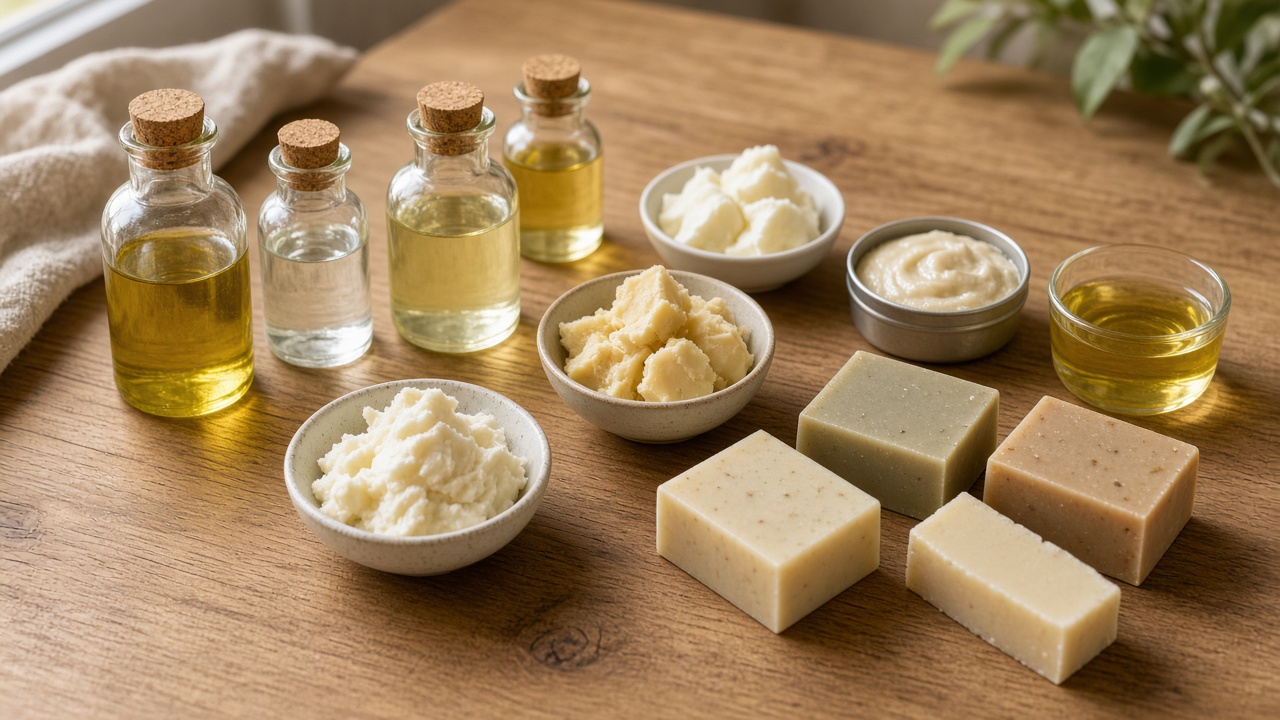
    Soap-making oils, butters, and handmade bars arranged on a wooden workbench
    Post Date:
    Posted By:
    Amy
    Category:

    Best Oils for Soap Making: What Each Oil Does in a Soap Recipe

    Learn how olive oil, coconut oil, castor oil, tallow, lard, butters, and other popular soap-making oils affect hardness, cleansing, conditioning, lather, cure time, and the fatty-acid balance of your recipe.

    Which oils are best for making soap? There is no single perfect oil — each contributes a different combination of fatty acids and soap properties. Learn how common soap-making oils affect hardness, bubbles, creamy lather, conditioning, longevity, and overall recipe balance.

    Read More
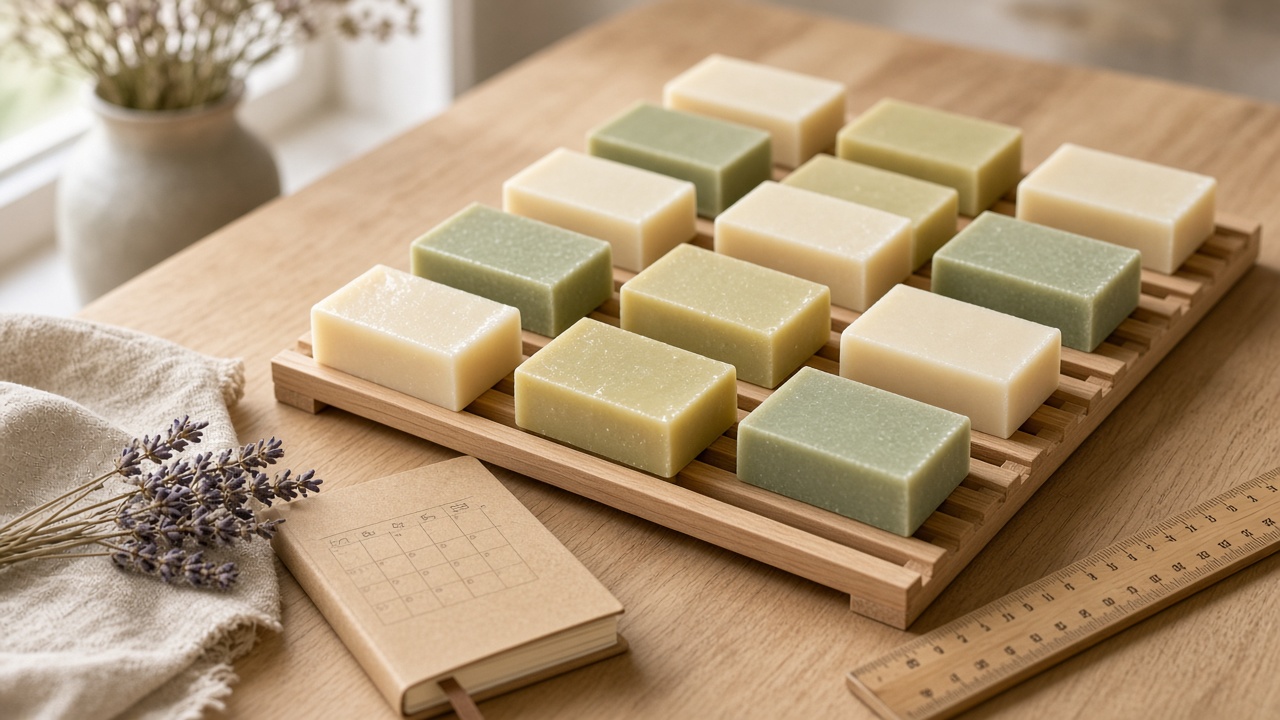
    Handmade soap bars curing on wooden racks with space between them for airflow
    Post Date:
    Posted By:
    Amy
    Category:

    How Long Does Soap Need to Cure?

    Cold process soap usually needs 4–6 weeks to cure, but the ideal cure time depends on the recipe, water content, oils, bar size, and soap-making method. Learn what actually happens during cure, when soap is safe to use, and why some recipes benefit from several months of aging.

    How long should handmade soap cure before you use or sell it? Most cold process soaps benefit from 4–6 weeks of curing, but some recipes need considerably longer. Learn what happens during the curing process, how oils and water affect cure time, and how to tell when a bar of soap is truly ready.

    Read More
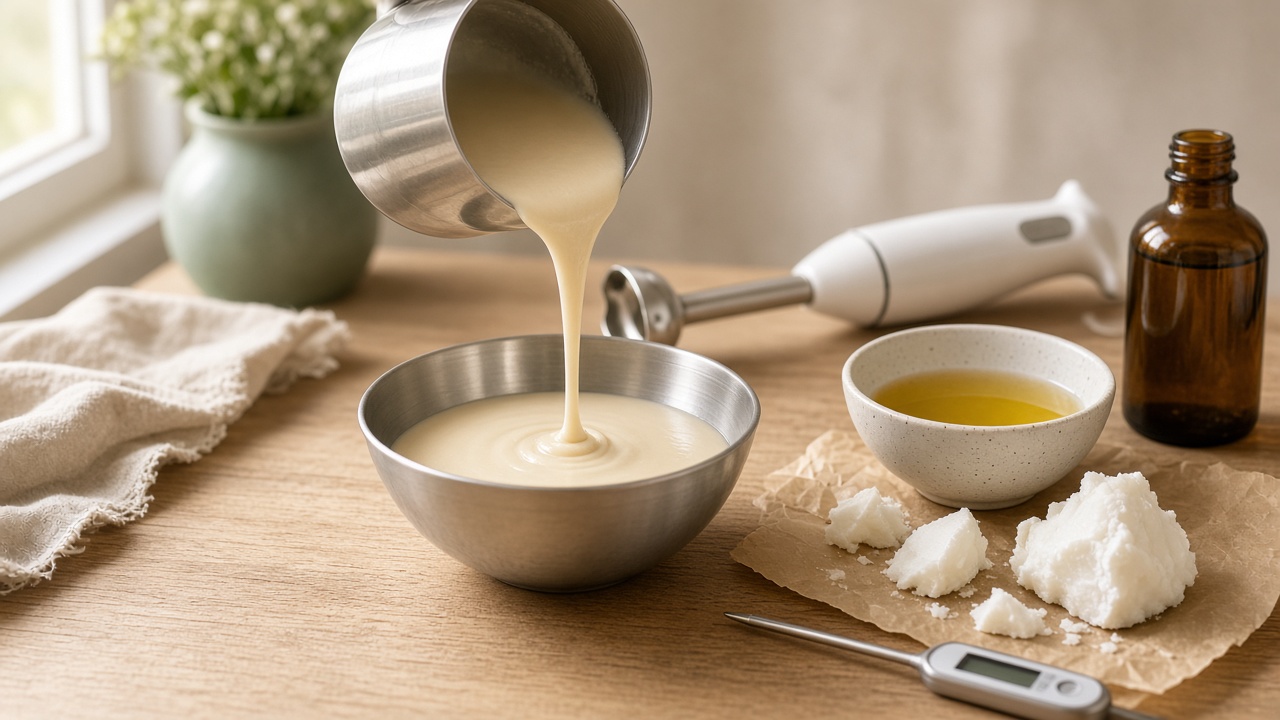
    Soap batter being poured to check trace beside oils, a thermometer, and a stick blender on a wooden table
    Post Date:
    Posted By:
    Amy
    Category:

    Why Is My Soap Not Tracing? Understanding False Trace in Soap Making

    Learn why cold process soap may take too long to trace, how to recognize false trace, and what to do when your soap batter will not emulsify properly.

    If your soap stays thin, separates, or suddenly becomes thick before it is truly emulsified, you may be dealing with a slow trace or false trace. Learn what causes soap not to trace, how temperature, oils, lye, water, and mixing affect your batter, and how to recognize the difference between real trace and fats simply beginning to solidify.

    Read More
    Handmade soap bars with kraft paper labels, a notebook checklist, and measuring tools on a wooden table
    Post Date:
    Posted By:
    Amy
    Category:

    FDA Soap Labeling Requirements

    A complete guide to soap labels, cosmetic regulations, product claims, and international requirements

    Selling handmade soap involves more than listing the ingredients on a label. Learn when soap is regulated by the FDA, CPSC, or other agencies, what information your label may require, how product claims can change its legal classification, and where soap makers in the U.S. and other countries can find the regulations that apply to them.

    Read More
    Handmade soap bars beside oils being poured on a wooden soap-making table
    Post Date:
    Posted By:
    Amy
    Category:

    What Is Superfat in Soap Making?

    How superfat works, why soap makers use it, and how it changes your lye calculation

    Superfat is the percentage of oils intentionally left beyond the amount needed for complete saponification. Learn how superfat affects a soap recipe, how it relates to lye discount, and how to choose the right setting when using a soap calculator.

    Read More
    Handmade soap bars, oils, and a digital scale on a wooden soap-making table
    Post Date:
    Posted By:
    Amy
    Category:

    How Much Lye Do I Need for Soap?

    How to calculate the right amount of NaOH or KOH for any soap recipe

    The amount of lye needed for soap depends on the oils in your recipe, their SAP values, your lye type, purity, and desired superfat. Learn how lye is calculated and why every soap recipe should be checked with a reliable soap and lye calculator.

    Read More